
Custom Pool Enclosures in Tampa Bay
Since 1988, Southern Aluminum Installations has designed and built custom aluminum pool enclosures for homeowners across the Tampa Bay area. Our enclosures are built to protect, enhance, and elevate your outdoor living experience.
Keep Your Pool Clean, Comfortable and Protected
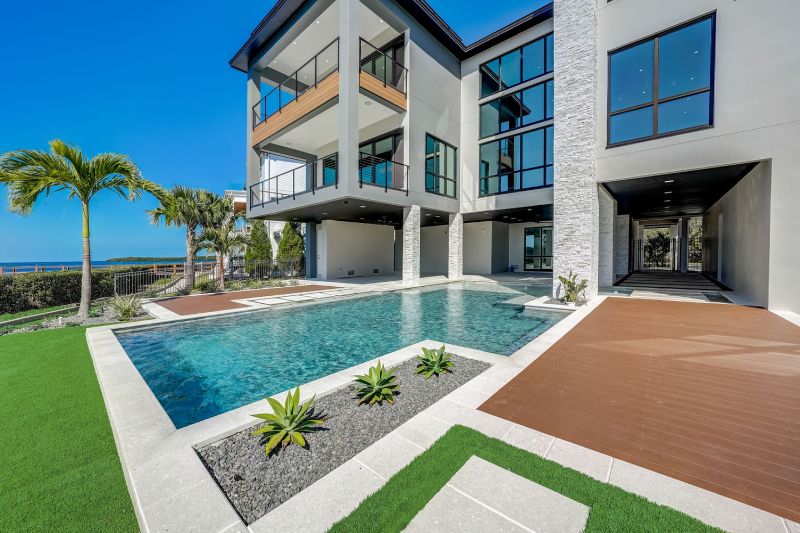
Block bugs, pests & debris
Enjoy swimming without interruptions
Let the breeze in, cut the glare
feel natural airflow out of the direct sun
Reduce maintenance
save time and money on cleaning
Custom-built
to fit your pool, style, and budget
Engineered for Florida Weather
A pool enclosure is a structure, not a screen tent. It has to carry its own weight, handle the wind loads Florida sees every storm season, and tie safely into your deck, your foundation, and in many cases your home’s roofline. That is why every Southern Aluminum Installations enclosure is individually engineered for the site it sits on.
What engineering covers
- Wind-load design to current Florida Building Code requirements for your location and exposure
- Beam, column, and purlin sizing matched to your enclosure's span and height
- Anchoring to your pool deck, footings, or slab, and attachment to the house where the enclosure ties in
- Screen selection factored into the design. Tighter or privacy screens catch more wind, so the frame is designed for them.
Permits and inspections, handled
Pool enclosures require a building permit. We prepare the drawings and engineering, submit the permit, build to the approved plans, and schedule the final inspection with your local building department, so the finished enclosure is documented and code-compliant.
Aluminum Framing That Stands Up to Florida
Aluminum is the standard material for Florida pool enclosures because it is strong for its weight, does not rust, and handles heat and humidity with very little upkeep. We build with top-grade aluminum and select the framing members for each enclosure based on its engineering, not a one-size-fits-all kit.
- Corrosion resistant: aluminum forms a natural protective oxide layer and won’t rust like steel.
- Lightweight and strong: this allows long, open spans without heavy, view-blocking columns.
- Low maintenance: an occasional rinse and gentle cleaning keep the frame looking good.
- Powder-coated finish: a smooth, durable finish that is easy to clean and resists fading.
Finish colors
White and bronze are the most popular frame colors in Tampa Bay. White reads bright and clean, and bronze tends to blend into landscaping and darker trim. We’ll show you the colors available for your project and help you match your home’s trim, roof, and pool deck.
Want the technical details? Read the benefits of aluminum pool enclosure frames.
Screen Options for Every Pool
The screen does most of the daily work: it keeps out bugs and debris and shapes how bright, private, and breezy your pool area feels. We’ll help you choose a screen for each part of the enclosure, and you can mix screen types on different walls.
Standard pool screen
The everyday choice for most enclosures. A fiberglass mesh (commonly 18/14) that keeps out mosquitoes, flies, and leaves while keeping airflow and visibility high.
No-see-um (fine-mesh) screen
A tighter weave that blocks tiny biting insects (no-see-ums) common near water, marshes, and preserves. It trades a little airflow and visibility for better insect protection.
Privacy screen
A denser mesh that limits how much neighbors can see in, while still letting light and air through. It is often used on lower panels or on the walls that face a neighbor or the street.
Heavy-duty / pet-resistant screen
A thicker, stronger screen fabric that stands up to pets, kids, and everyday bumps better than standard mesh. It is a good fit for lower panels and high-traffic areas.
Solar / shade screen
Reduces heat and glare on the walls that take the strongest afternoon sun.
Heavier, tighter, and privacy screens add wind load, so we account for your screen choices in the enclosure’s engineering.
Pool Enclosure Styles
The roof style sets the look of the enclosure and how it relates to your house. We design each enclosure to line up with your home’s architecture and rooflines, so it looks like part of the house rather than an add-on.
- Mansard: a flat top with sloped sides on all edges. It is a classic Florida look that suits many one-story homes and keeps the profile low.
- Dome: curved or rounded rooflines that add height and a distinctive look over the pool.
- Gable (A-frame): a peaked roof that adds height and openness. It often matches a home with gabled rooflines.
- Hip: sloped on all sides and meeting at a ridge or point. It reads as tailored and pairs well with hip-roof homes.
- Flat / shed: a single gentle slope or near-flat roof that tucks under a second-story overhang or roofline. It works well where height is limited.
Many homeowners connect the enclosure to an existing covered patio or lanai, creating one large protected space from the back door to the far side of the pool. We’ll walk through the options with you at your consultation.
Compare the options in types of swimming pool enclosures.
How Your Pool Enclosure Comes Together
- Consultation: We visit your home, measure the pool and deck, look at how the enclosure will meet your house, and talk through style, screens, doors, and budget. Estimates are free.
- Design: We lay out the enclosure’s shape, height, roof style, door locations, and screen selections, then prepare the engineering for your site.
- Permit: We submit the plans and engineering to your local building department and handle the permit process.
- Installation: Our crew builds the frame, anchors it to your deck or footings, ties it into the house where needed, and installs the screens and doors.
- Inspection: We schedule the final inspection and walk the finished enclosure with you, so you know how to care for it.
Pool Enclosures and Florida's Pool Safety Law
Florida’s Residential Swimming Pool Safety Act (Chapter 515, Florida Statutes) requires a new residential pool to have at least one approved safety feature before it passes final inspection. A barrier that meets the state’s requirements is one option. Others include an approved safety cover, exit alarms on doors and windows that open to the pool, self-closing and self-latching doors, or a certified in-pool alarm. A screen enclosure is not specifically required, but a properly built enclosure can serve as all or part of a compliant barrier. If the enclosure attaches to your house and your home’s doors open into it, a second feature, such as door exit alarms or self-closing, self-latching doors, is typically needed on the house side. Your local building department makes the final call.
Get the details in Does Florida Require a Pool Enclosure? Pool Safety Law Explained.
Serving Tampa Bay
Southern Aluminum Installations, Inc. is based at 6610 W. Linebaugh Ave in Tampa and builds pool enclosures throughout Hillsborough, Pasco, Pinellas, and Hernando counties, including Tampa, Clearwater, and the surrounding Tampa Bay communities. Not sure if you’re in our area? Call (813) 264-7477 and we’ll let you know.
Pool Enclosure FAQs
Why add a pool enclosure?
A screened enclosure keeps mosquitoes, flies, and other bugs away from your pool, and it keeps leaves and debris out of the water, so you spend less time skimming. It also helps keep out animals like frogs and snakes, and it turns your pool deck into an outdoor room for meals, parties, and relaxing. With a self-closing, self-latching door, it can be part of your pool’s safety barrier. Many buyers also see a screened pool as a plus.
Do I need a permit for a pool enclosure?
Yes. Pool enclosures require a building permit in Florida. We prepare the plans and engineering, pull the permit, and schedule the final inspection for you.
Will my pool enclosure hold up in a storm?
Our enclosures are engineered and built to current Florida Building Code wind-load requirements for your location. No screen enclosure is storm-proof. During a major storm, screens can tear and debris can damage any structure, but a properly engineered and anchored frame is designed for the loads the code requires.
Does Florida law require a screen enclosure around my pool?
No. Florida’s pool safety law requires new residential pools to have at least one approved safety feature, such as a compliant barrier, a safety cover, door and window exit alarms, self-closing and self-latching doors, or a certified pool alarm. A properly built enclosure can serve as all or part of the barrier. When your home’s doors open into the enclosure, another feature is typically needed on the house side. See our article on Florida’s pool safety law.
What screen should I choose?
Most homeowners use standard pool screen on most walls. They add no-see-um mesh where tiny insects are a problem, privacy screen on walls that face neighbors, and heavy-duty screen on lower panels where pets and kids play. We’ll recommend a mix for your yard.
Can you connect the enclosure to my existing patio cover or lanai?
In many cases, yes. We evaluate the existing structure and the house attachment during the consultation and design the connection as part of the engineering.
How do I take care of my enclosure?
Rinse the screens and frame periodically, clear leaves and debris from the roof screens, and keep tree limbs trimmed back. Repair small tears early before they spread. Our tips on cleaning your pool enclosure walk through it step by step.
How much does a pool enclosure cost?
It depends on the size of the pool and deck, the height and roof style, the screens you choose, and how the enclosure ties into your home. We provide free, written estimates after an on-site visit. Call (813) 264-7477 to schedule one.
More answers: Frequently asked questions about installing a pool enclosure.
Ready to Plan Your Pool Enclosure?
Tell us about your pool and how you want to use it. We’ll visit, measure, and give you a free estimate with clear options for style, screens, and doors.